In an age of mass production, many things carry the words "handmade" without ever having been touched by a hand. Telling the difference does not take years of experience, only a careful look and a few questions. These signs will help.
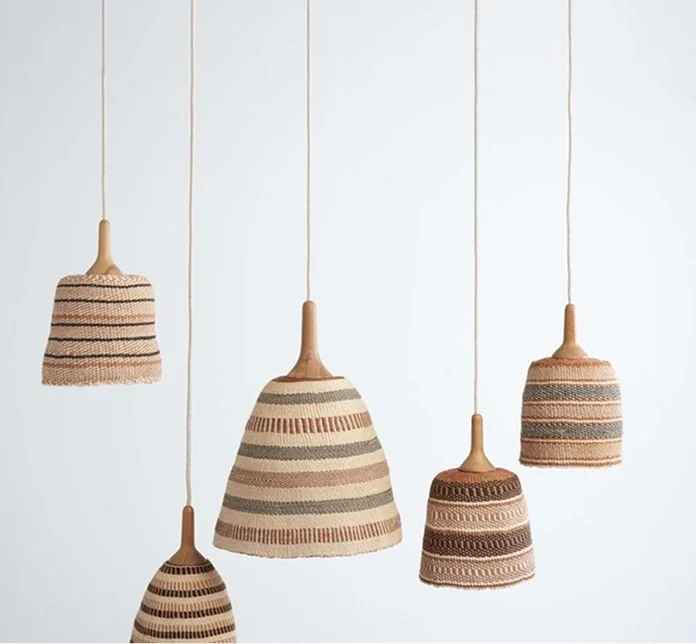
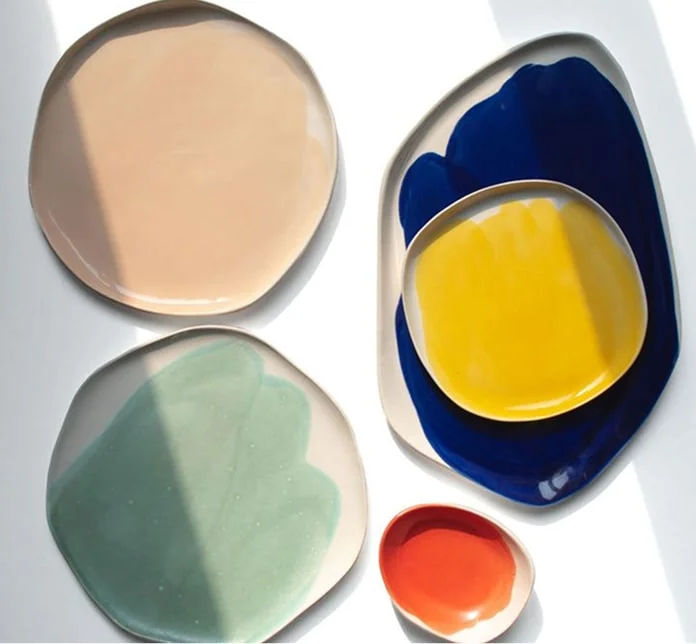
Look for small differences. If a set of bowls or vases is identical in shape, colour and decoration, it most likely came out of one mould. Handmade pieces differ a little from one another: a rim slightly higher, a broader brushstroke, a band of colour that leans in a different place.
Look for the marks of the tools. Wheel-thrown ceramics show faint rings inside and a mark on the base where the piece was cut from the wheel. Blown glass may hold tiny air bubbles or a round mark on the bottom. In macrame and crochet, knots and stitches sit close together but never with a machine's perfect regularity.
Feel the material. Natural cotton yarn is softer and less shiny than synthetic, and natural bamboo varies in colour from cane to cane. A handmade piece is often a little heavier than its factory twin, because its wall is not the same thickness everywhere.
Ask the seller. Who made the piece, and where? How long does it take to make? Will the piece you receive differ from the photo? A seller who knows their makers answers easily, and often says in the description that each piece varies a little.
Finally, understand the price. A piece that takes hours of knotting, blowing or painting cannot sell at the price of one that left a factory in moments. When you buy something truly handmade, you pay for the maker's time and skill, and you help a beautiful craft survive.